Initial situation
Turbine blades are critical components in aircraft gas turbine engines. Even small defects in these components can lead to serious failures, which is why a thorough inspection is essential.
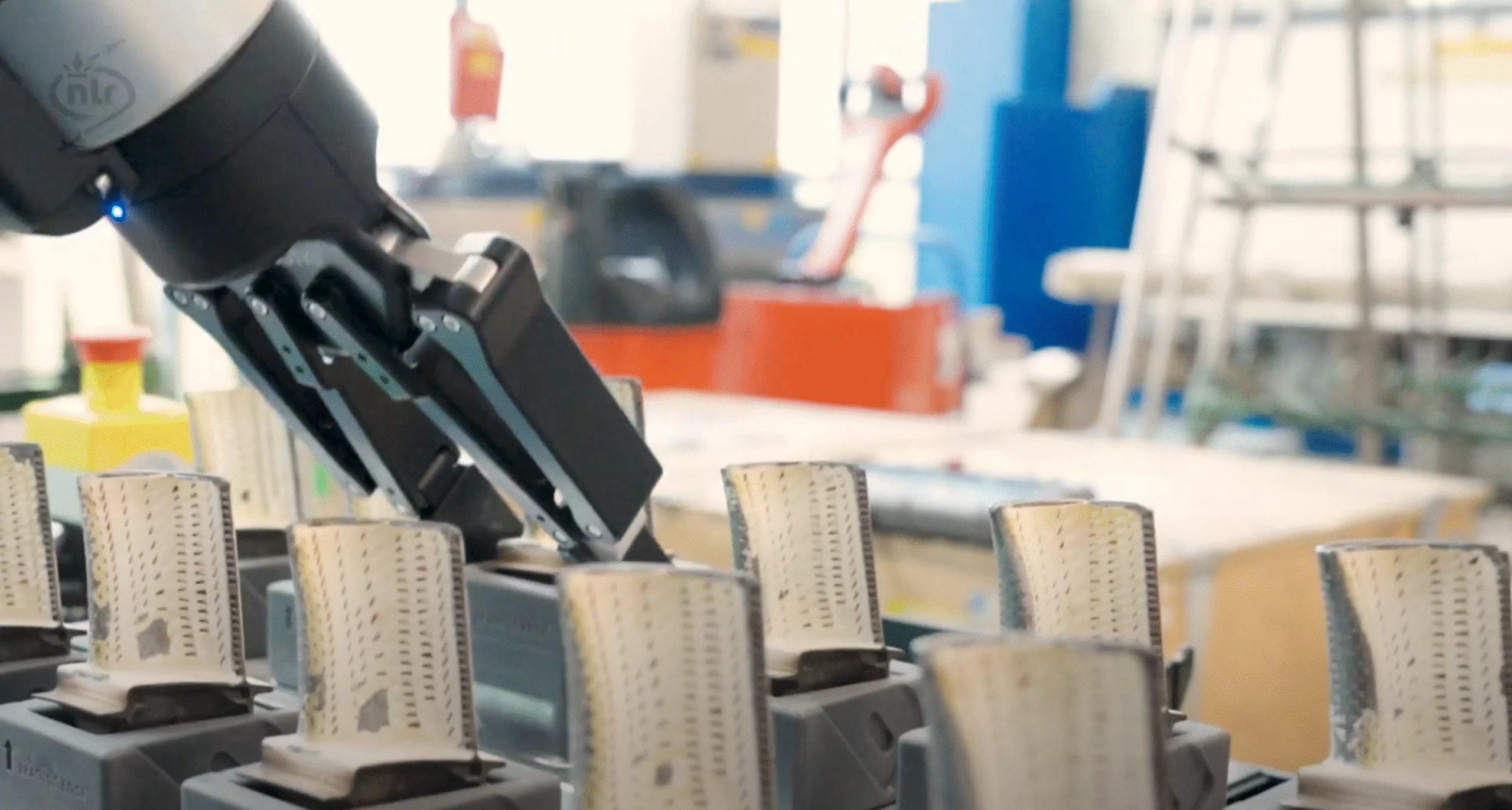
Many turbine blades, whether in airplanes, helicopters or industrial gas turbines for power generation, have complex internal structures such as cooling channels and holes. These channels allow air to circulate to protect the blade from overheating, as operating temperatures often exceed the melting point of the materials used in the construction.
Turbine blades convert high-temperature and high-pressure gases into mechanical energy that drives the turbine. This mechanical energy is used either to generate thrust in aircraft engines or to generate electricity in industrial turbines.
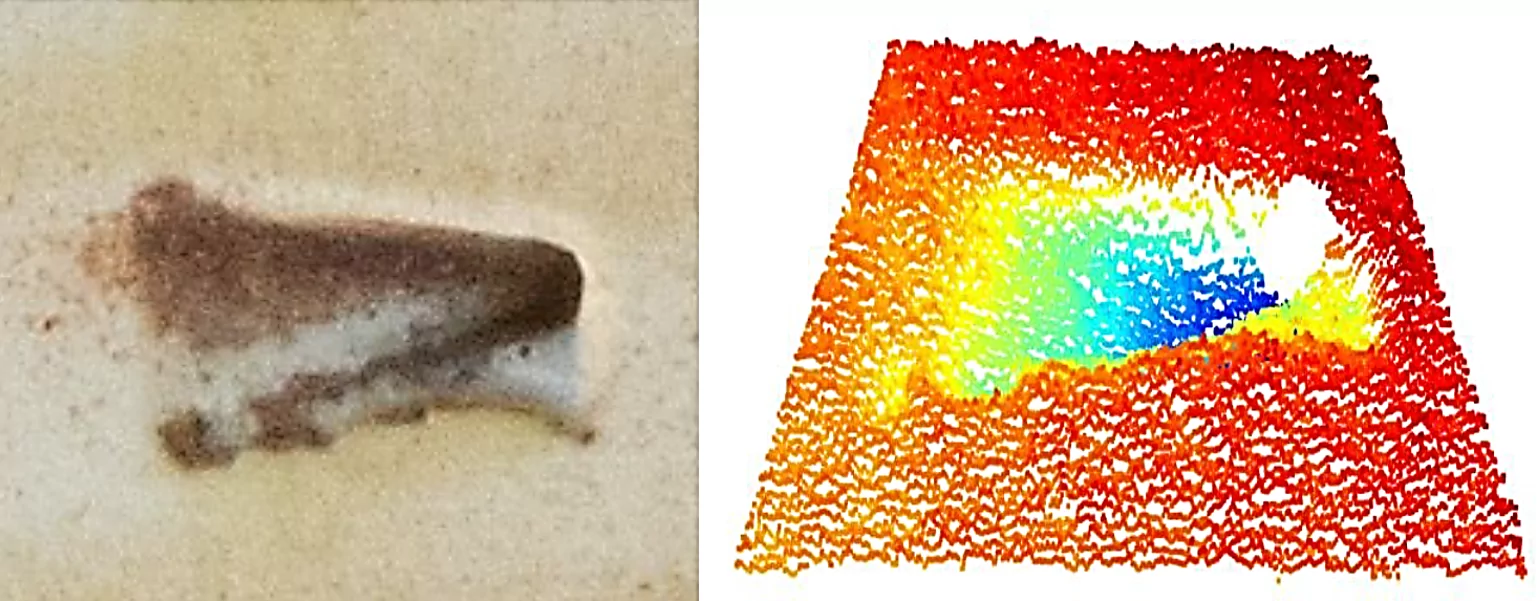
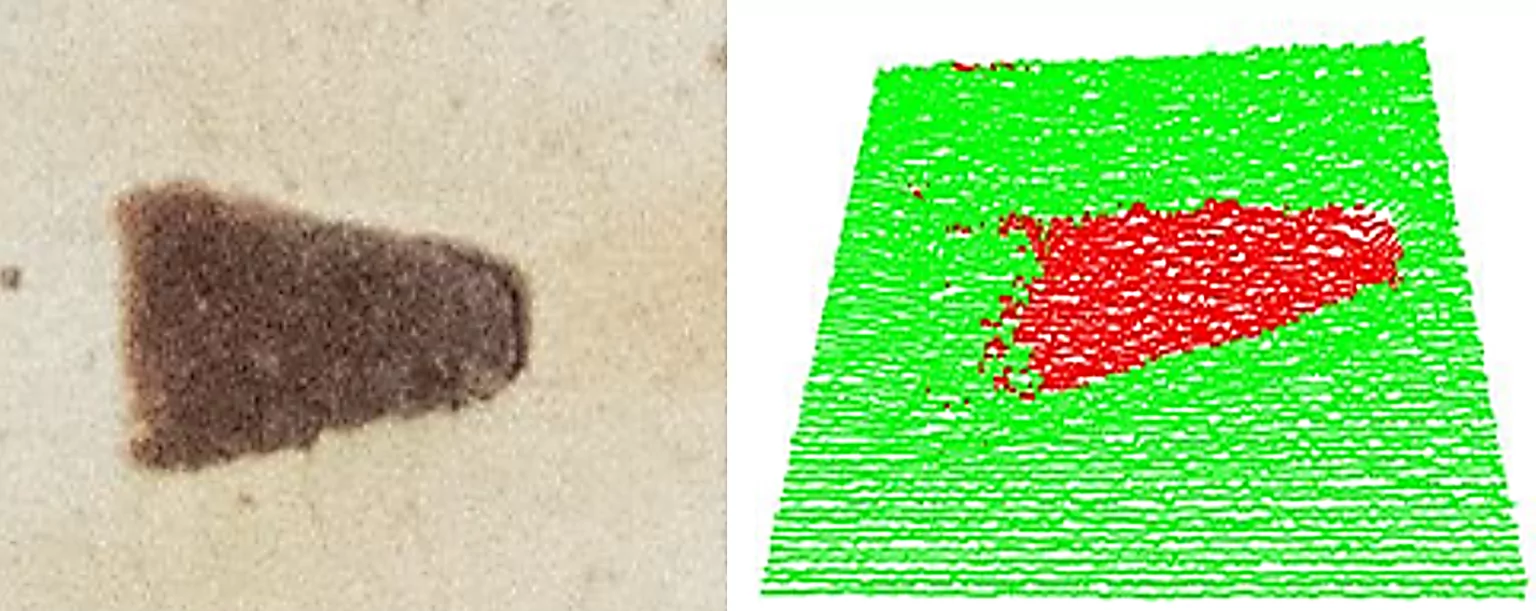
Due to their use in extreme environments, turbine blades are susceptible to various types of defects, the most prevalent of which include:
When operators use mechanical probes or specialized tools to measure defects or geometries, several challenges arise:
The BrightSky project is a Dutch aviation innovation initiative aimed at transforming the Maintenance, Repair, and Overhaul (MRO) sector through sustainability, digitalization, and social innovation. Launched in 2021, it brings together a consortium of twelve partners, see the BrightSky website.
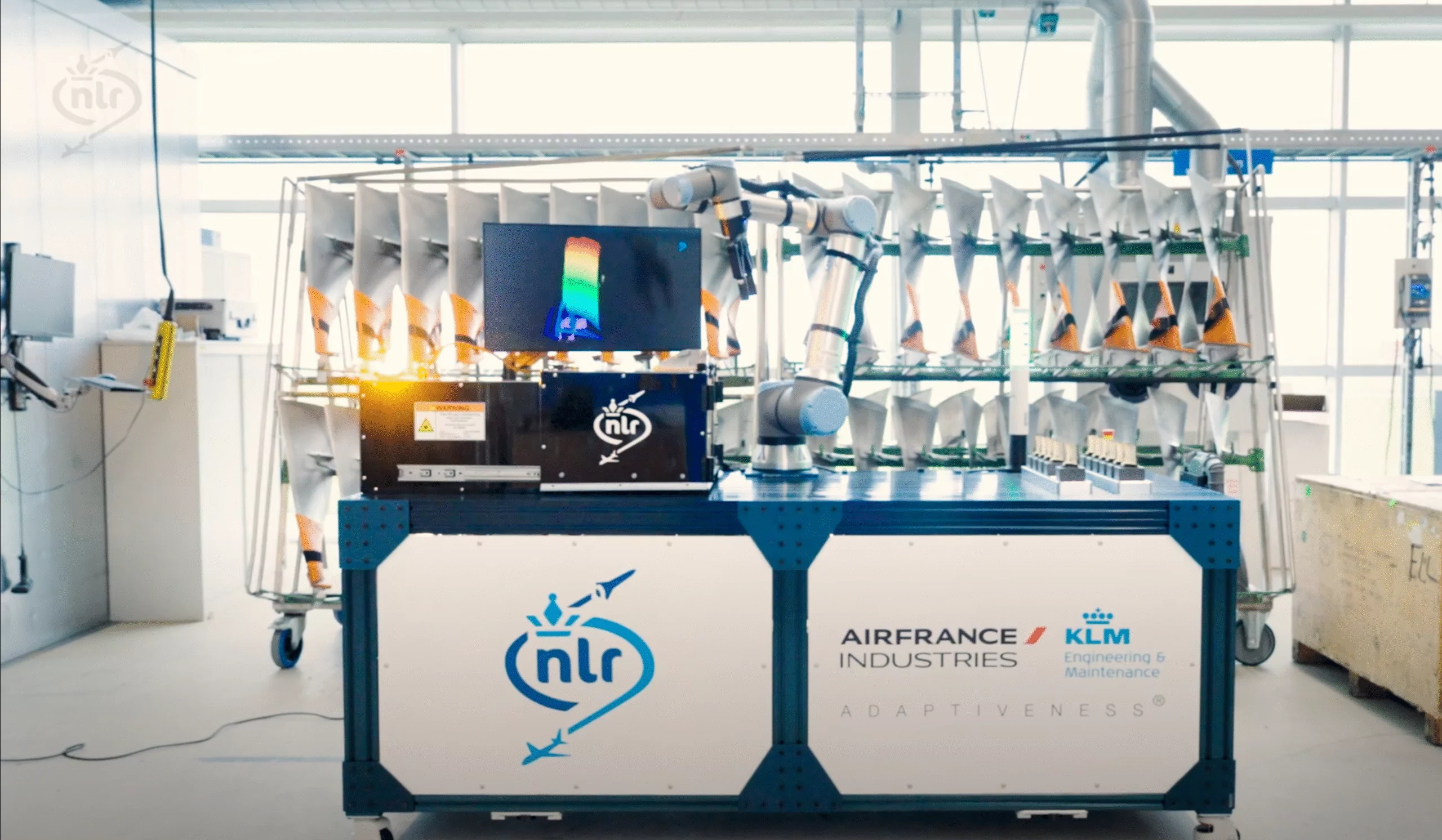
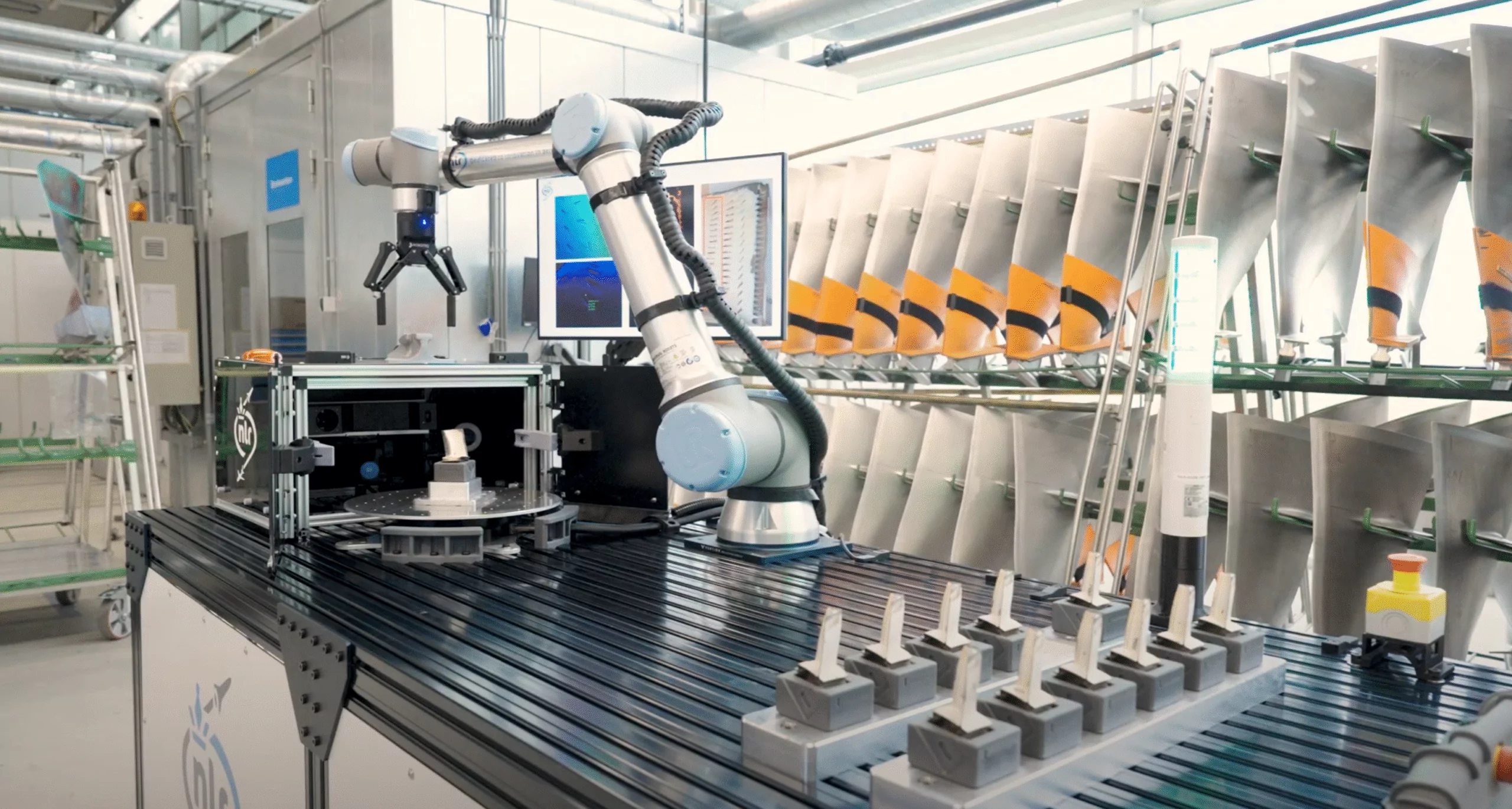
Within the BrightSky project, KLM Engineering & Maintenance (KLM E&M) and the Royal Netherlands Aerospace Centre (NLR) have collaborated to develop GERDA (Generic Engineering Robot for Damage Assessment), a platform to test advanced inspection methods, including automated systems for the damage assessment of cooling holes in turbine blades.”
You are currently viewing a placeholder content from YouTube. To access the actual content, click the button below. Please note that doing so will share data with third-party providers.
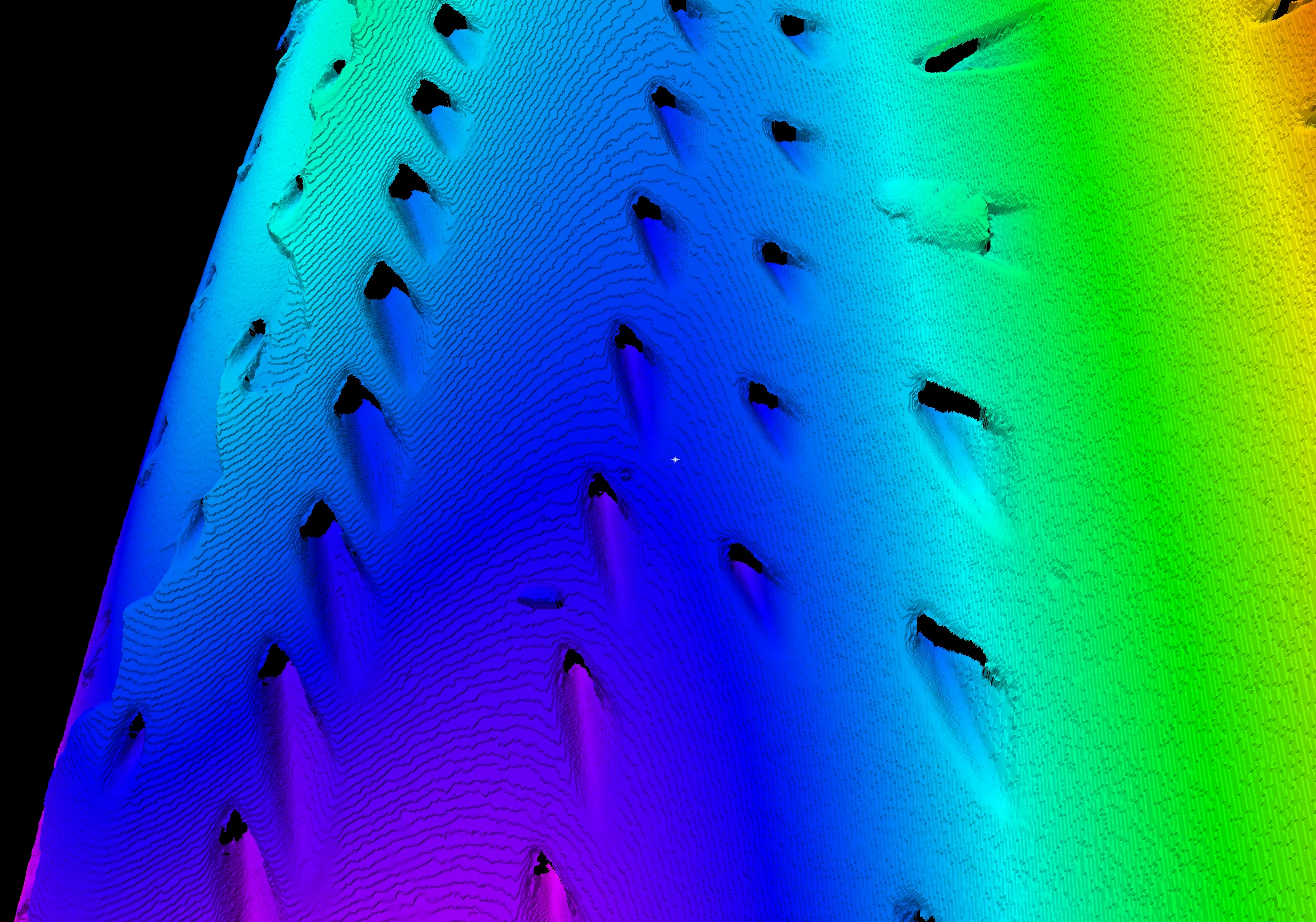
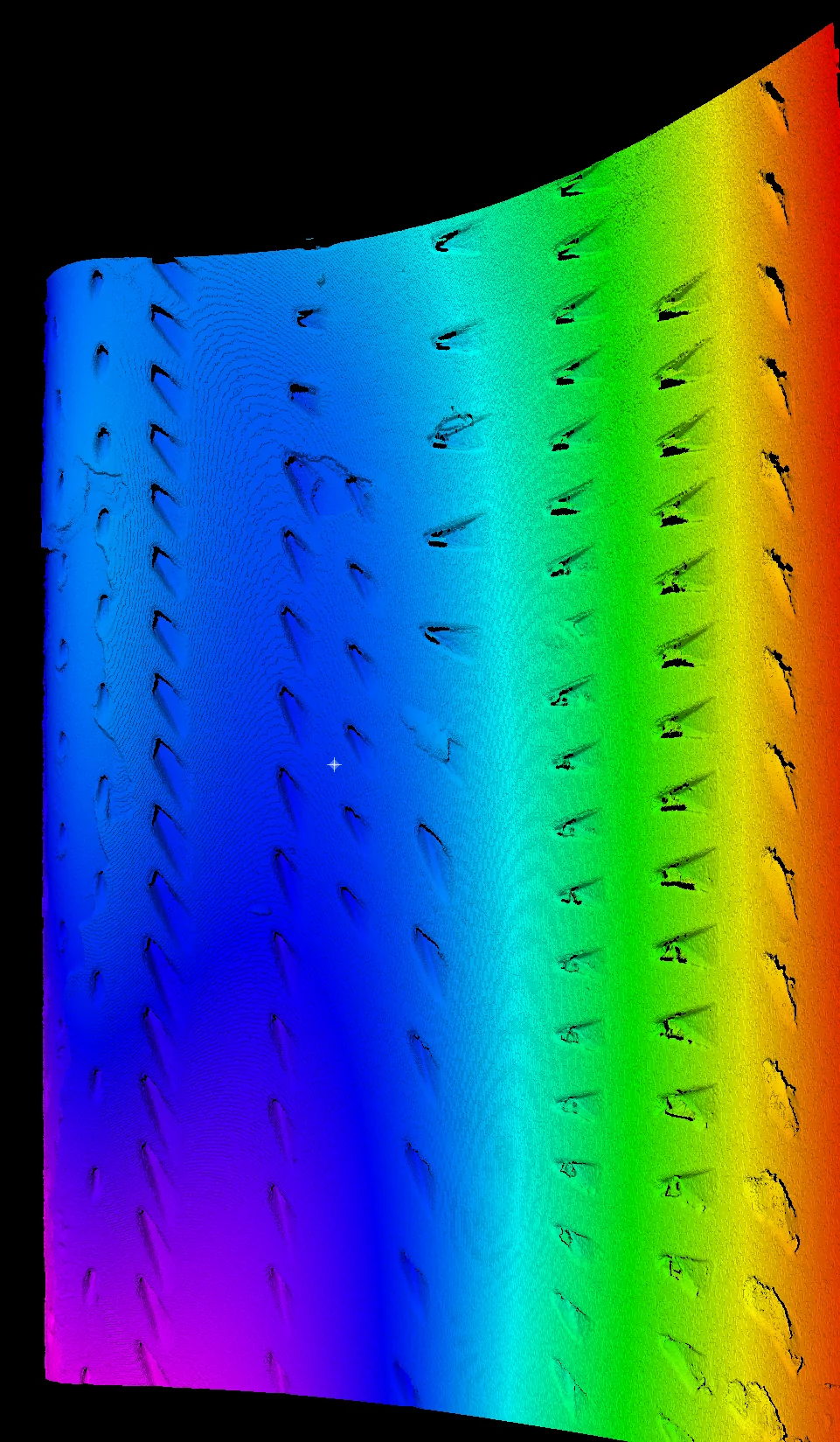
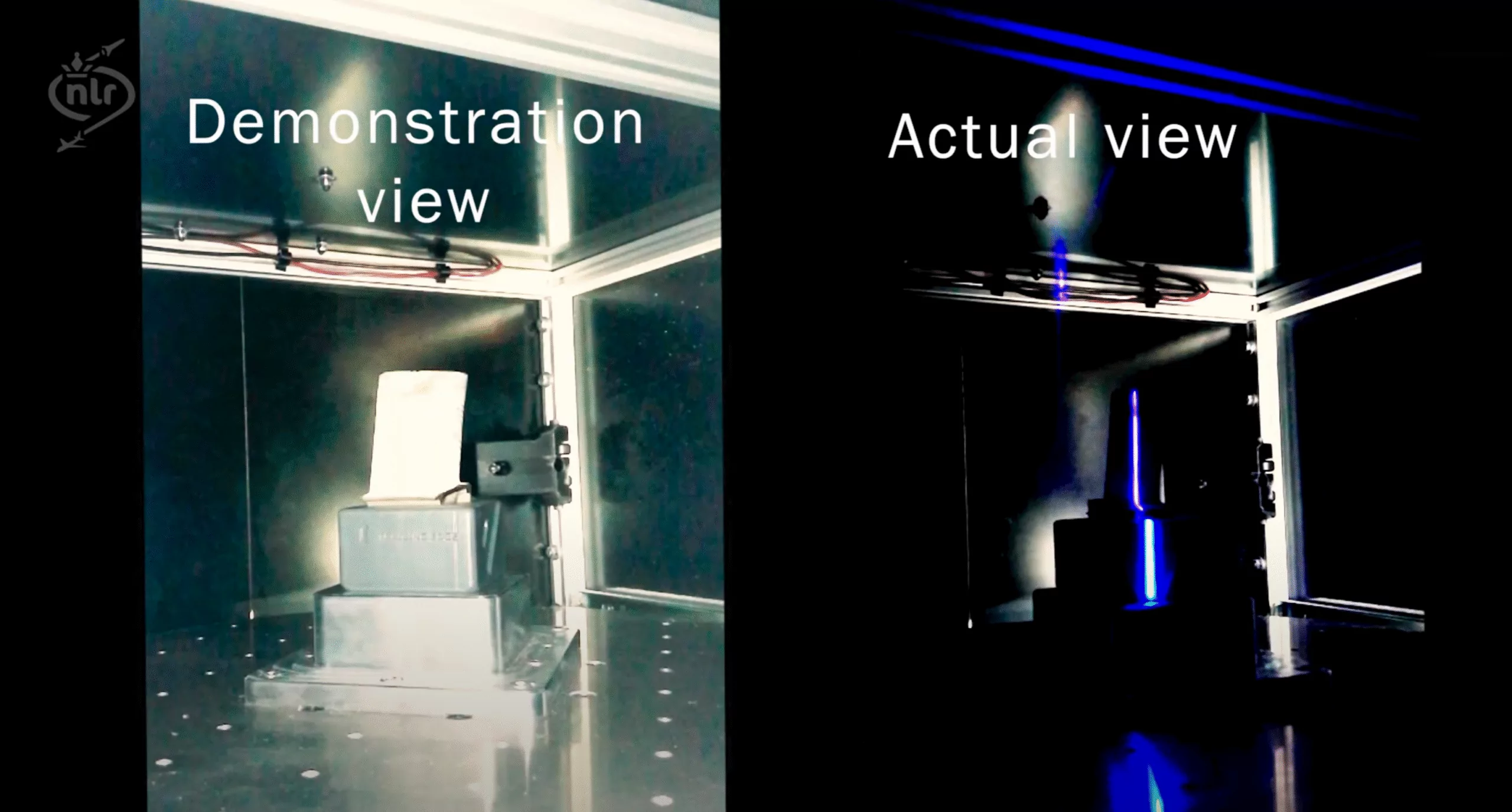
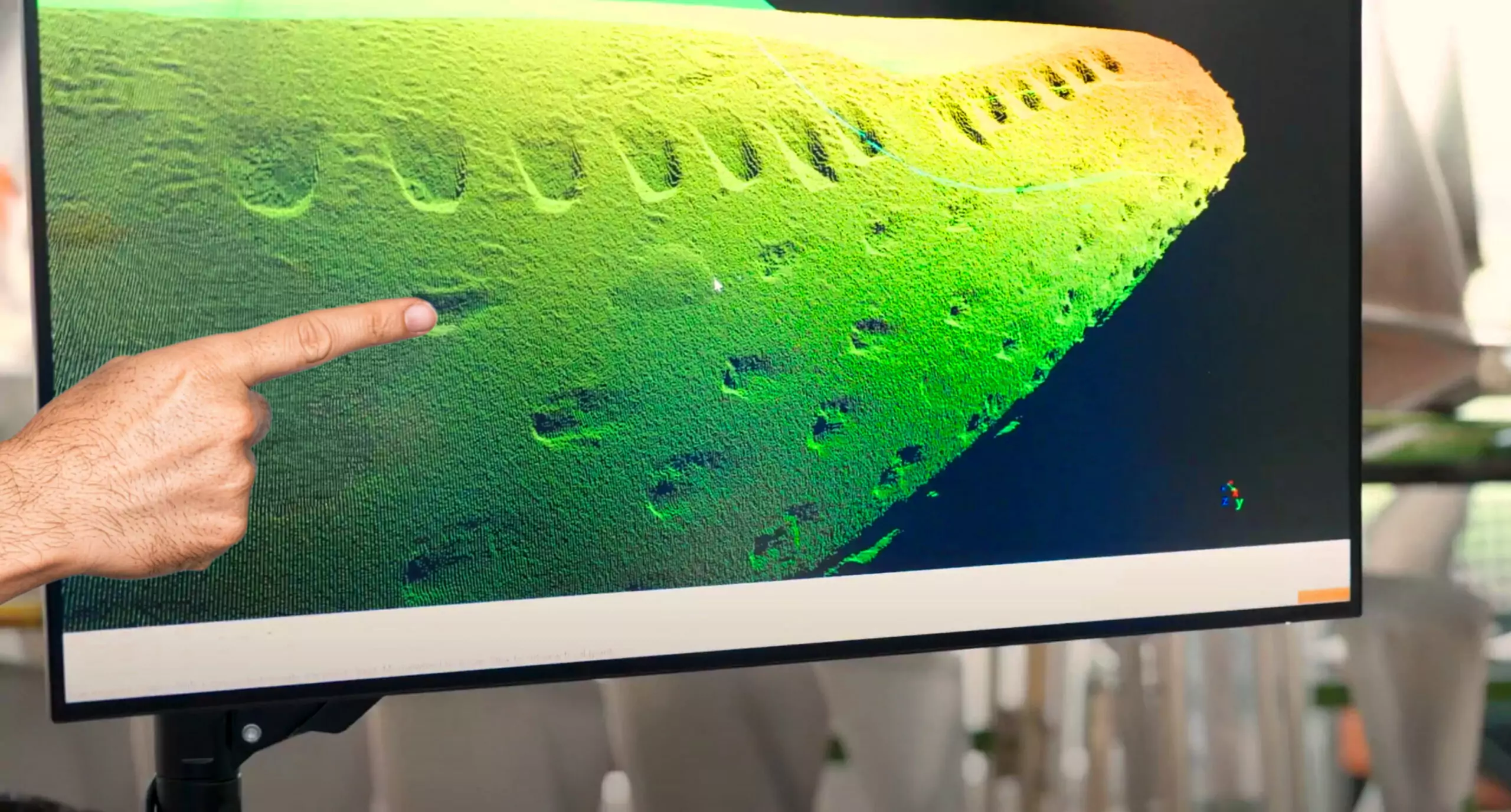
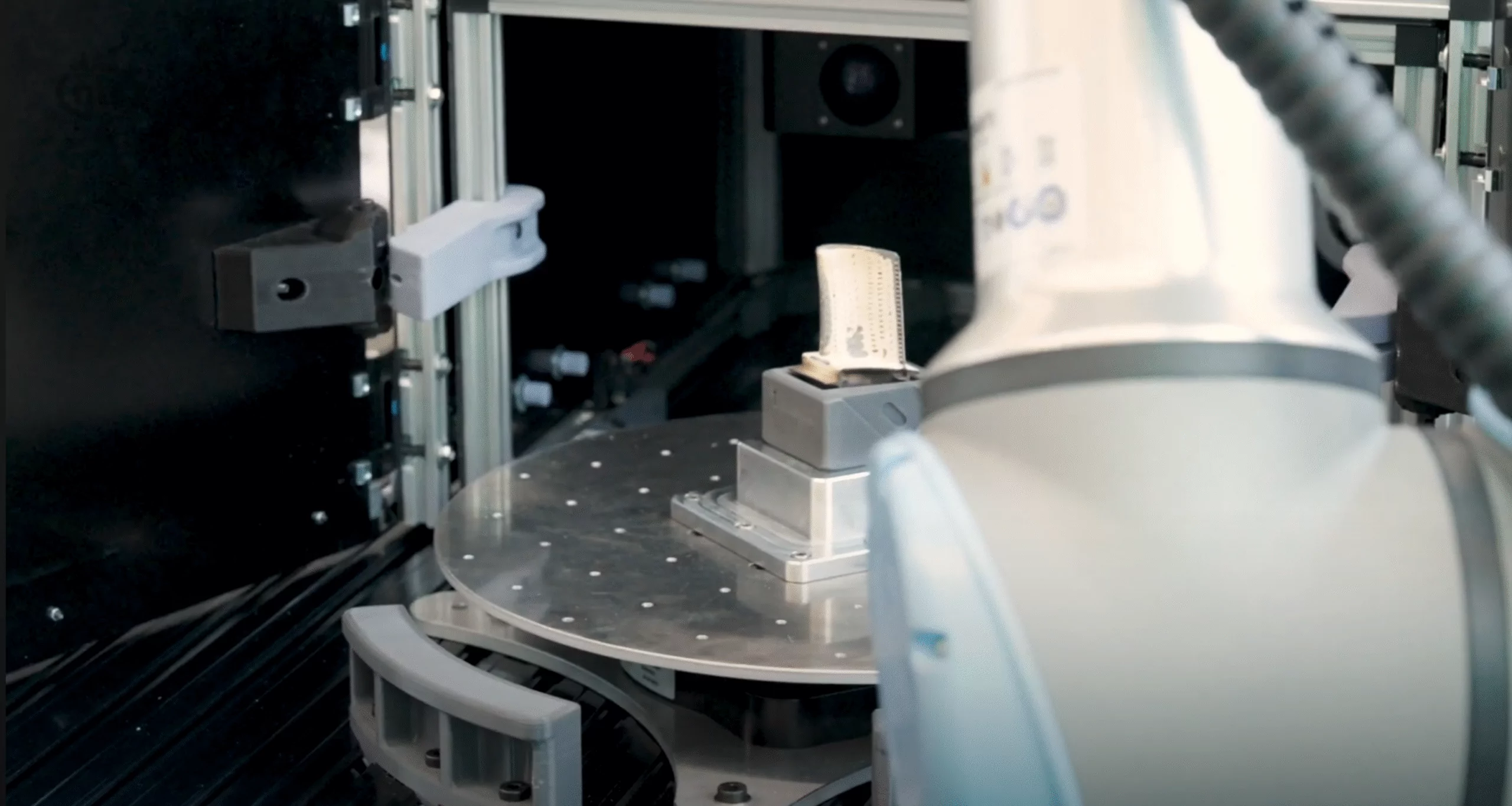
More InformationThe GERDA project focuses on the development of a system to generate 3D point clouds for machine vision in the inspection of aircraft components using QuellTech laser line scanners. The system captures a full 360° scan of an object by combining a turntable with the scanner, enabling a comprehensive inspection from all sides. The laser scanner, equipped with a blue laser diode for high precision, creates detailed 3D point clouds, which can be used for further analysis.
Research is being conducted into automated defect detection in 3D point cloud data, where the system identifies and highlights various defects and automatically generates a damage assessment report for use by an inspector. The goal is to support inspectors in both locating and assessing defects by reducing manual effort through automated detection and providing detailed point cloud measurements to aid in the evaluation of defects.
The use of fully automated laser scanners for damage assessment of turbine blades offers numerous advantages in terms of precision, consistency and efficiency. These systems optimize the inspection process and increase the overall quality of the components.

3D laser scanner inspection offers numerous advantages that significantly improve quality assurance and efficiency in production:
These properties make 3D laser scanner damage assessment a pioneering solution for quality assurance in numerous industries.
This solution for the inspection of turbine blades with QuellTech laser sensors was realized and implemented together with our long-standing integration partner Royal NLR – Netherlands Aerospace Centre.
Company details:
Royal NLR – Netherlands Aerospace Centre
1006 BM Amsterdam
The Netherlands
Web: www.nlr.org
Contact person:
A.W. (Alex) Hurd
+31 88 511 31 52
[email protected]
We are happy to help you with that!

Stefan Ringwald
Technical Contact
We would like to help you to evaluate your specific measurement task.
With an initial free test measurement of your application, we can give an early assessment of the feasibility. Do not hesitate to contact us for more information or to make an appointment for a consultation. Please talk to us!
Would you like to assess the feasibility of your measurement task as early as possible? Contact us and take advantage of our free initial sample measurement.
Your technically competent contact, Stefan Ringwald, will be happy to help you.
Our aim is to fully understand your specific technical requirements for your current measurement task.
Thanks to many years of experience with complex tasks in the field of 3D laser measurement, you will receive well-founded solution proposals from us.
By submitting the contact form, you agree that your data will be used to process your request (further information and instructions on withdrawal can be found in the privacy policy).
Hinweis für Deutsche Unternehmen:
Für Investitionen in Ausrüstungen gilt seit Juli 2025 eine degressive Sonderabschreibung von bis zu 30% p.a. – befristet bis Ende 2027.
Je früher die Anschaffung erfolgt, desto länger kann dieser Vorteil genutzt werden.
(Dies ist keine Steuerberatung, bitte wenden Sie sich für Details an Ihre Steuerberatung.)
You are currently viewing a placeholder content from Vimeo. To access the actual content, click the button below. Please note that doing so will share data with third-party providers.
More InformationYou are currently viewing a placeholder content from YouTube. To access the actual content, click the button below. Please note that doing so will share data with third-party providers.
More InformationYou need to load content from reCAPTCHA to submit the form. Please note that doing so will share data with third-party providers.
More Information